
The graph is up. Ads are cheaper. A couple of posts started ranking. Still nobody writes. If you have website traffic but no leads, buying more visitors usually makes the same hole bigger.
This shows up a lot on service sites. The homepage lists everything the company can do. The contact page asks for a full brief on the first visit. Service pages read like a capability brochure. People leave knowing more about you, and no closer to sending a message.
Website traffic and leads are different jobs
Traffic means someone found the page. A lead means they decided the next step was worth it. If the site attracts visits but does not convert, one of these is usually true: the wrong people are arriving, the offer is hard to understand, or the next step feels heavier than the problem they came with.
A service business does not need thousands of sessions a day. It needs a few pages that answer the buyer's questions, and a path that feels safe enough to start a conversation.
1. The homepage talks about you
Most homepages open with services, awards and adjectives. The visitor is asking something plainer: is this for a company like mine, and what happens if I get in touch? If the first screen cannot answer that, the rest of the page is just layout.
A clearer homepage names the problem, the kind of client, the result and the first step. That kind of detail pushes the wrong traffic away and gives the right traffic a reason to stay.
2. Service pages describe work, not fit
A weak service page says what you do. A useful one helps the reader decide if the offer matches their situation. Who it is for. What is included. How the work starts. What usually goes wrong before a project begins. What happens after the first call.
If every service page could sit on any agency site, none of them will convert. The page has to make a choice easier.
3. "Contact us" is a weak next step
Someone still researching will not fill a proposal form. High intent visitors can ask for a quote. Everyone else needs a smaller next step: a short call, a scoped review, a sample process. If the only action is a long form, you lose the people who are interested but not ready.
4. Proof is too far from the decision
Work samples, process and response time should sit next to the ask, not only on a distant references page. Who the work is for and what the first week looks like reduce risk. A logo row with no context rarely does.
5. The form asks for a sales meeting too early
Budget, company size, timeline and a twelve field brief feel like homework. Ask for enough to reply well. You can qualify later. If the form feels like a gate, traffic bounces even when the offer is right.
6. Blog traffic never reaches a service page
A ranking article can still produce zero leads if it never points to a page with a real next step. A useful post should leave the reader with one clearer action, not only a definition. Internal links are how curiosity turns into an enquiry.
7. Slow mobile pages tax every visit
A slow or cramped phone layout makes the offer feel less reliable. Service buyers may not bounce like shoppers, but they still judge competence from the experience. If the site is hard to use, the brand looks hard to work with.
How to check website conversion in a week
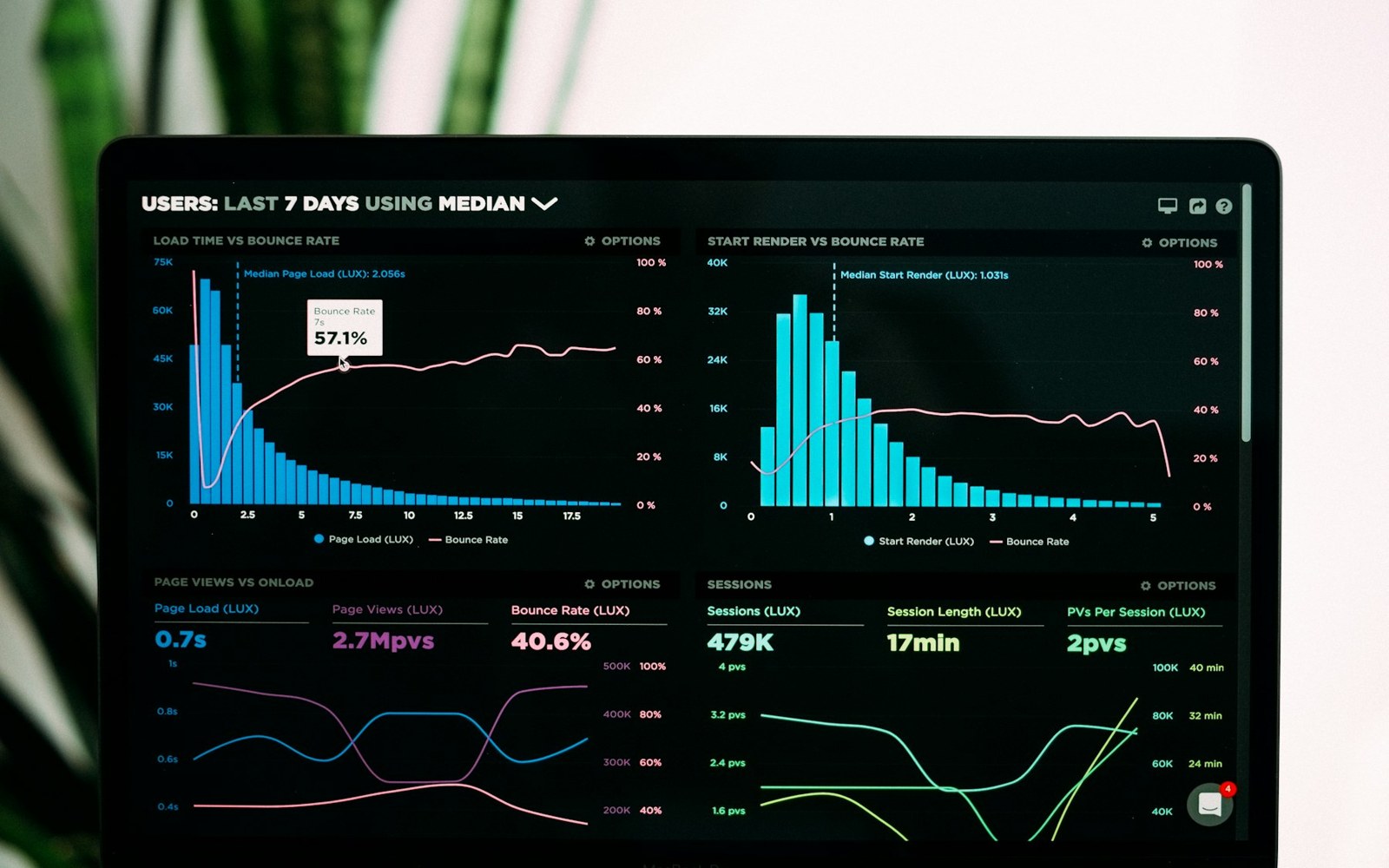
Do not start with a new theme. Open analytics and look at three lists: pages with traffic, pages that reach the form, pages that get submissions. If the busiest pages never touch a conversion path, the structure is wrong. If people reach the form and leave, the offer or the form is wrong. If almost nobody reaches the form, the message is wrong.
Then read the homepage and two service pages out loud. If you cannot say who the work is for in one sentence, the visitor cannot either.
What Swonie looks at first
Swonie starts with the path to contact, not the decoration. Does the site attract the right intent? Do the service pages help someone decide? Is the next step sized to how sure they are? Design and technical cleanup matter after that path is honest.
If the site already has traffic, start with the pages people already land on and the form they see.